To take the first step towards a healthier, alcohol-free life, schedule an appointment with us today or give us a call. Our dedicated team members are ready to assist you on your path to recovery. Recognizing the symptoms and risks of alcohol withdrawal is crucial for a safe recovery journey. Seeking professional help and embracing a holistic approach can improve the chances of successfully overcoming alcohol dependence.
- We will make the process easier by administering medications and therapies and ensuring 24-hour supervision in a peaceful environment.
- In general, it’s safe to quit alcohol on your own as long as you have been drinking in moderation.
- After years of drinking alcoholic beverages on special occasions, you might realize that you won’t want to experience the feeling of getting drunk.
- If don’t have much of an appetite, you may want to take a multivitamin or drink a beverage high in electrolytes, such as a sports drink.
Best ways to avoid intoxication
Most of the work is done there—approximately 90% of alcohol is eliminated by the liver. You also excrete a small amount—2-5%—of alcohol through your breath, sweat, and urine. Remember that alcohol is absorbed the quickest in your small intestine. Having food in your stomach can slow down the absorption of alcohol while you’re drinking. In most cases, deliberately increasing your blood glucose levels isn’t a good idea.
Dangers of Drinking Too Much Water To Flush Alcohol
Alcohol can be detected from 12 to 24 hours in the breath, as well as in saliva. And when tested in the hair, especially at the root, alcohol can be detected up to 90 days after a person has stopped drinking. Talk with a healthcare professional if you’re concerned you may experience detox symptoms when quitting drinking or cutting back. The primary benefits of enrolling in treatment are minimizing withdrawal symptoms and preventing complications. Medications like acamprosate, benzodiazepines, disulfiram, and naltrexone can help make withdrawal more manageable and sustain abstinence.
- Alcohol metabolism rates vary by individual, but on average, the liver can process one standard drink per hour.
- Addressing nausea is important to prevent vomiting that can further dehydrate you.
- For anyone with a family history of alcohol use disorder, there is a higher risk of also developing the condition.
- What equates to 1 drink depends on the size and type of alcoholic drink you have.
How Long Does Alcohol Stay in Your System?
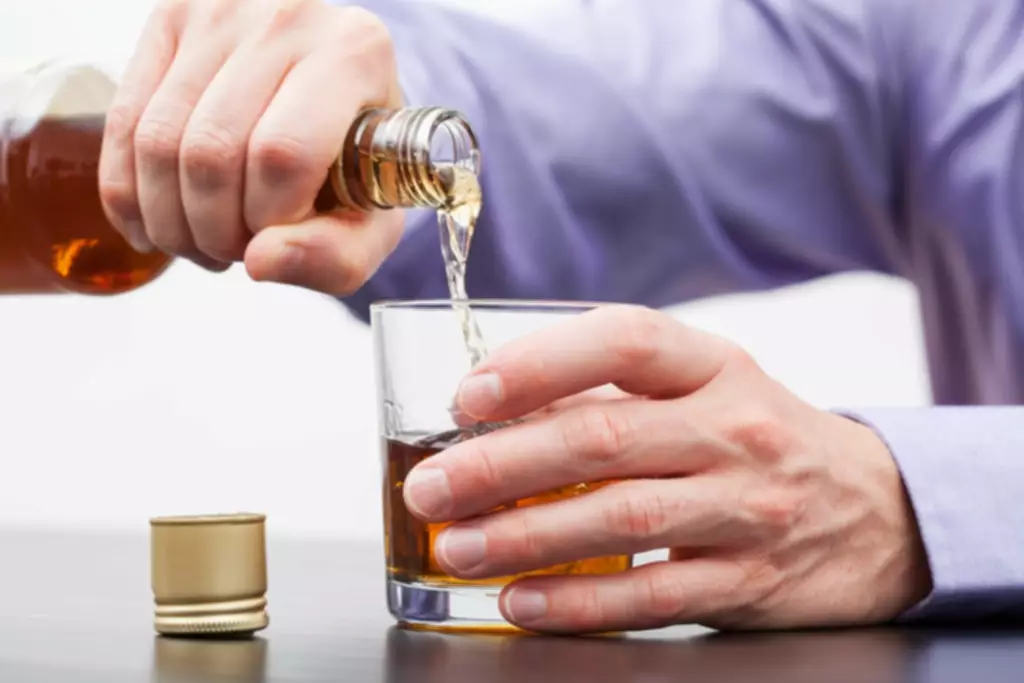
Each of the above drinks contains 0.6 ounces of pure ethanol, which counts as a single serving of alcohol. However, those are based on the average strength of each type of alcohol. To ensure you are drinking best way to get alcohol out of your system in moderation, check the strength or percentage of pure alcohol in your drink. This can be trickier to do if you are drinking at a bar or restaurant, but you can use the above as a guideline.
How Should One Start Flushing Out Alcohol?
You can become conditioned to reach for a drink when your environment offers up certain cues. You smell a pot of chili simmering on the stove and then suddenly feel ravenously hungry. You feel your phone vibrate and then anxiously reach to see who texted. Even dogs do it — you say “walk” and they high-tail it to get their leash. Several studies have shown that alcohol elimination rates in humans are typically between 0.12 and 0.16 g/L/h. Stress can cause a slight uptick in elimination rates, making it 0.18g/L/h on average.
Does drinking water or coffee help you sober up?
The Truth About Hangover Cures: What Works – Healthline
The Truth About Hangover Cures: What Works.
Posted: Fri, 19 Jan 2024 08:00:00 GMT [source]
